

Lab Diamond Rings Platinum vs Gold: A Down-to-Earth Guide from an Aussie Jewellery

If you’ve ever stood inside a jewellery boutique, staring at two identical-looking rings and wondering why one costs a bit more or feels a tad heavier, you’re not alone. I’ve been there myself—palms slightly sweaty, mind racing, trying to figure out whether platinum or gold is the smarter choice. And when you throw lab diamond rings platinum vs gold comparisons into the mix, the decision gets even more interesting. Especially now, with man made diamonds becoming a mainstream favourite among Aussie couples who want something ethical, stylish, and downright stunning.
I’ve worked around jewellery for years, and I’ve learnt that people aren’t just choosing a ring—they’re choosing a story they’ll wear every day. So, let’s talk honestly about the differences, the myths, the little surprises, and the things jewellers don’t always mention unless you ask the right questions.
Why Lab-Grown Sparkle Is Changing the Game
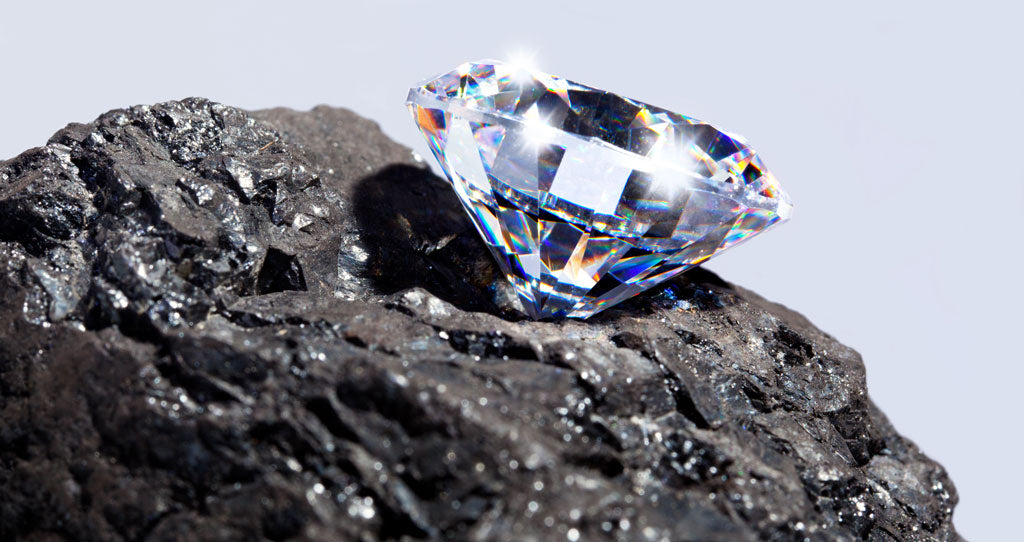
Before we get stuck into lab diamond rings platinum vs gold, it’s worth touching on the stones themselves. You might not know this, but man made diamonds are chemically identical to mined diamonds. They shine the same, last the same, and test the same under gemmological equipment. Whenever someone tells me they can “tell the difference,” I have to smile—because unless they’ve got superpowers, they absolutely can’t.
If you want a little deep dive into the ethical side of it, this resource on man made diamonds does a good job of unpacking why more people are shifting in this direction. I was surprised myself at how far technology has come.
Now, once you’ve picked the stone, the next decision hits you: platinum or gold?
Platinum: The Quiet Achiever of the Jewellery World
The first time I held a platinum band, I actually thought something was wrong—it felt heavier than I expected. That weight is part of its charm. Platinum is naturally dense and durable, which is one of the reasons it’s considered the crème de la crème in fine jewellery.
When people compare lab diamond rings platinum vs gold, platinum often gets positioned as the “premium” choice. But why?
It’s naturally white
Platinum doesn’t need extra coatings or treatments to keep its colour. What you see is what you get. Over time, it develops a soft patina—a sort of brushed glow—which many people adore. It’s not dull, just lived-in, like a leather jacket that gets better with age.
It holds stones more securely
Because platinum is tough and malleable at the same time, jewellers often prefer working with it for highly detailed or delicate settings, especially with lab diamond rings platinum vs gold side-by-side. Platinum prongs can grip the diamond tightly with less risk of bending or thinning over the decades.
It’s hypoallergenic
If you’re someone whose skin flips out at random alloys, platinum is the safest bet. Pure, stable, and very skin-friendly.
The downside? Cost and weight
Platinum usually costs more upfront. There’s no getting around that. And some people simply don’t love the heavier feel. Honestly, it comes down to preference—some take one look, fall in love, and never consider anything else.
Gold: Classic, Versatile, and Rich with Personality
Gold has history. Centuries of it. When you compare lab diamond rings platinum vs gold, gold brings a unique warmth—even the white variety. That’s something platinum can’t replicate.
White gold: stylish with a bright finish
White gold is coated with rhodium to give it its crisp, bright look. It’s beautiful, don’t get me wrong, but it does need re-plating occasionally. Some people see that as a small maintenance ritual; others get tired of it.
Still, white gold remains a crowd favourite in the lab diamond rings platinum vs gold debate because it’s more affordable, lighter to wear, and often has that high-polish shine many Aussies love.
Yellow and rose gold options
Here’s where gold stands out. If you want colour, you want gold. Simple as that. Yellow gold gives that classic engagement-ring glow, while rose gold has this soft, romantic blush that’s been wildly popular for the last decade.
The downside? Alloys and upkeep
Because gold is mixed with other metals, it’s not hypoallergenic. Plus, it’s softer than platinum, so over many years, it can show wear and tear faster. Not dramatically, but enough that some people factor it into their decision about lab diamond rings platinum vs gold.
So, Which Metal Works Better with Lab Diamonds?
This is where things get interesting. With man made diamonds—which often come in larger sizes for the same price—your setting matters more than ever.
Platinum pairs beautifully with larger stones
The strength of platinum means it holds weightier diamonds securely. Many jewellers I know actually recommend platinum if you’re choosing a stone two carats or above, whether it’s mined or man made diamonds.
Gold tends to suit vintage or softer designs
Gold feels warm, especially yellow and rose varieties. If the ring design evokes a more old-world, romantic vibe, gold enhances it beautifully. Lots of filigree? Floral elements? Art deco flair? Gold shines in those settings.
Both metals look stunning with lab diamonds
There’s no wrong choice here. Truly. The sparkle of a high-quality lab diamond plays well with any metal. It’s more about personality, lifestyle, and how much maintenance you’re willing to take on.
A Quick Helpful Resource (Not an Ad—Just Handy)
If you want a clear, down-to-earth comparison of the metals, this breakdown on lab diamond rings platinum vs gold lays out the technical differences without the marketing fluff. I’ve pointed a few friends there when they’ve been trying to wrap their heads around what’s what.
What Most People Regret (and Wish They Knew Sooner)
After chatting with dozens of buyers over the years, a few patterns emerge—things people often overlook until after they’ve worn the ring for a while.
1. They underestimated colour preference
Some swear they were set on white metal, only to discover later that yellow gold looked warmer against their skin. That’s why I always say: try everything on. You’ll be surprised what jumps out at you.
2. They didn’t think about lifestyle
If you’re someone who’s tough on your hands—nurses, tradies, gym enthusiasts—platinum can be a better long-term choice. Gold is gorgeous but softer.
3. They forgot about maintenance
Rhodium re-plating is easy and affordable, but if you’re someone who hates appointments, platinum may suit you better.
4. They didn’t ask enough questions
There’s no such thing as a silly question in jewellery shopping. Ask what alloys are in the gold. Ask why the prongs are shaped that way. Ask how often settings should be checked, especially with man made diamonds in larger sizes.
My Take? Choose What Feels Right Every Single Day
Well, if you’ve made it this far, you already know there’s no one-size-fits-all answer for lab diamond rings platinum vs gold. But here’s what I’ve seen, time and time again: the ring people love most is the one that feels good on their hand and reflects who they are—not the one that wins on a technical scorecard.
If platinum makes you feel confident, powerful, or quietly elegant, go for it. If gold feels warm, nostalgic, or beautifully you, choose that. And if you’re going with man made diamonds, know that whichever metal you pick, the stone will look breathtaking.
Jewellery shouldn’t feel like a test you can fail. It should feel like a tiny celebration you get to wear every day.



 Greetings! I'm Richard Black, an accomplished and versatile freelance professional with a passion for delivering top-tier solutions to clients worldwide. With a diverse background and years of experience, I've honed my skills and am committed to helping individuals and businesses achieve their goals.


