


What lab grown diamonds actually are
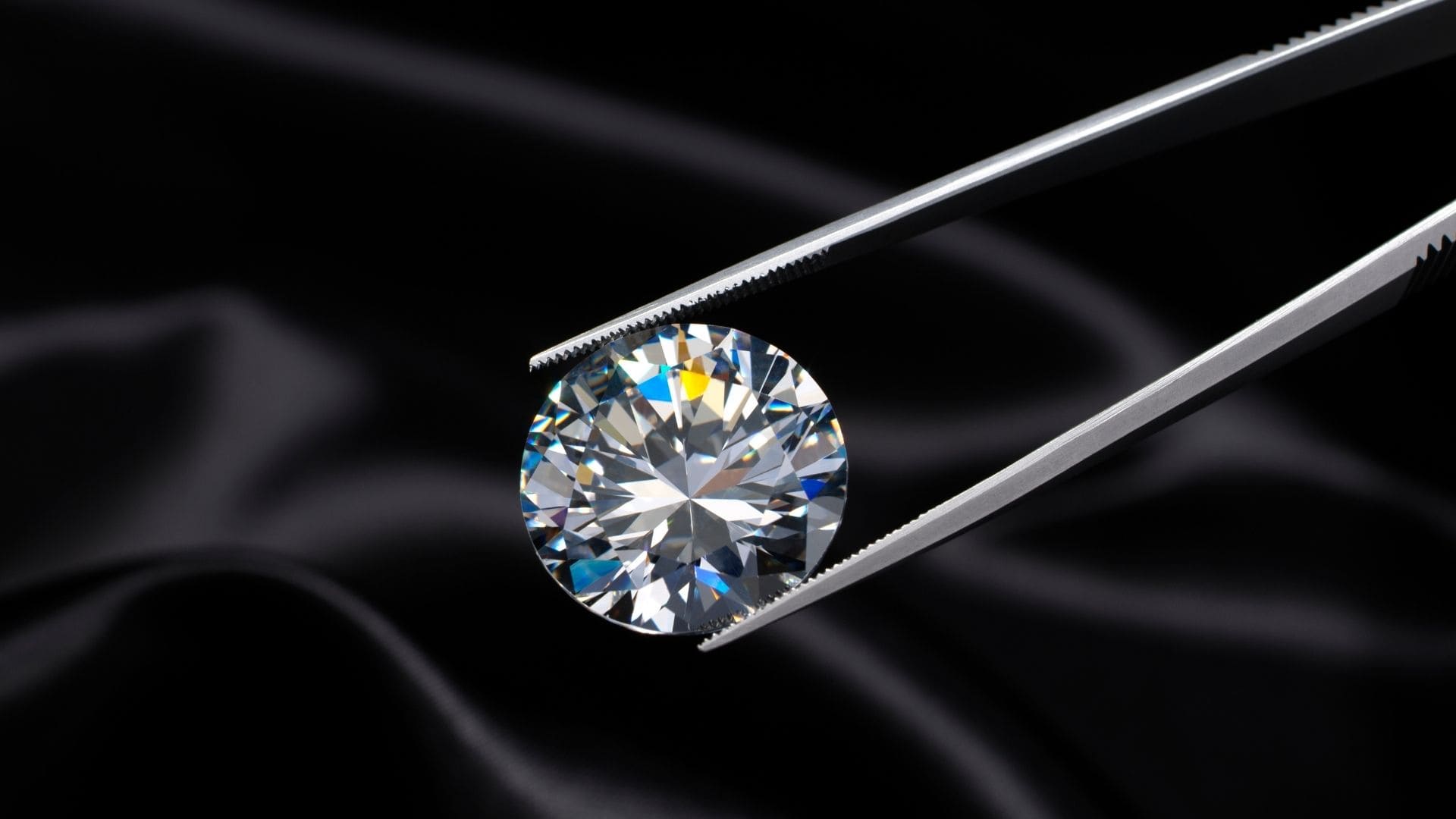
Diamonds can be created in a controlled environment that replicates natural conditions. Heat and pressure or carbon vapor are used to grow a crystal over weeks. The result is a diamond with the same atomic structure as one formed underground.
This matters because a diamond is defined by structure, not origin. When light enters the stone it behaves the same way. Hardness is the same. Wear over time is the same.
You are not buying an imitation. You are buying a diamond created by a different process.
How lab made diamonds differ from mined stones
The difference lies in origin and supply chain. Mined diamonds are extracted from the earth. Lab grown stones are produced above ground with measurable inputs.
This leads to three practical differences that affect you.
- Price tends to be lower for comparable quality.
- Origin is fully traceable.
- Availability of specific sizes and grades is more predictable.
For example, if you want a one carat stone with a narrow color range for a pendant, a lab option is easier to source without compromise.
Quality factors you should focus on
Quality assessment does not change based on origin. The same criteria apply.
Cut controls how light moves through the stone. For pendants this matters because the diamond is often viewed at a slight angle. A balanced cut prevents dull zones.
Color grading runs from colorless to visible tint. In a pendant setting near the skin, stones in the near colorless range often appear clear to the eye.
Clarity refers to internal features. In pendants small inclusions are rarely visible because the stone sits farther from the eye than a ring.
Carat is weight not size. A well cut smaller stone can appear larger than a heavier stone with poor proportions.
Why pendants are a common use case
Pendants place fewer mechanical demands on a diamond. There is less impact risk than with rings. This makes them a practical choice for daily wear.
Design flexibility is another factor. Simple solitaires highlight the stone. Halo designs amplify presence without increasing carat weight.
Because pendants often mark events like birthdays or milestones, buyers want control over cost and quality. This is where lab made diamonds appear often in search behavior.
Pricing and value considerations
Pricing is shaped by production scale and supply stability. Lab diamonds pendants stones avoid many upstream costs tied to mining.
What this means for you is choice. You can allocate budget toward cut quality or design rather than origin alone.
Value should be viewed in terms of use. A pendant worn daily over years delivers value through durability and satisfaction, not resale speculation.
Ethical and environmental factors
Some buyers prioritize reduced environmental disruption. Others focus on labor transparency. Lab production allows clearer documentation of inputs and processes.
This does not require belief or branding. It is a matter of documented steps. If traceability matters to you, this production method offers fewer unknowns.
How to evaluate sellers
Focus on information rather than claims. A reliable seller provides grading reports from recognized labs. Specifications should be clear and consistent.
Ask direct questions. Where was the stone grown. Which grading body evaluated it. What return options exist if the pendant does not meet expectations.
Simple example
A product page lists carat weight and price but no cut grade. That is a gap. Cut affects appearance more than any other factor.
Care and longevity
Care requirements are the same as any diamond. Clean with mild soap and a soft brush. Inspect the setting once a year.
A pendant chain takes more wear than the stone. Choose a chain that matches your lifestyle. Strength matters more than thickness alone.
Making a confident decision
Clarity comes from aligning facts with priorities. If your focus is appearance, durability, and transparency, lab made diamonds fit those needs without added complexity.
Use specifications as your guide. Ignore vague descriptors. Compare like for like. This approach removes uncertainty.
FAQ
Are lab grown diamonds real diamonds
Yes. They share the same physical and chemical structure as mined diamonds.
Will a lab diamond pendant last over time
Yes. Hardness and wear resistance are the same as any diamond.
Do lab made diamonds look different in pendants
No. When cut well they reflect light the same way and appear identical to the eye.



 Greetings! I'm Richard Black, an accomplished and versatile freelance professional with a passion for delivering top-tier solutions to clients worldwide. With a diverse background and years of experience, I've honed my skills and am committed to helping individuals and businesses achieve their goals.


